Posted in productivity, writing habits

Best Google Chrome Plugins for Writers

Writers today face many distractions that can derail productivity and impact the writing process. With so many websites, apps, notifications, and rabbit holes competing for our attention, it can be challenging to focus and make progress on writing projects. Fortunately, Google Chrome offers some handy extensions that can help writers take control of their environment, build better habits, and optimize their workflows.

In this post, I’ll highlight four of my favorite Chrome extensions for improving focus, tracking time, limiting distractions, and catching errors during the writing process. Whether you struggle with procrastination, losing time to research tangents, or just need help enforcing good writing habits, these tools can help you manage your online time and energy more effectively. Read on to learn how StayFocusd, WebTime Tracker, Unhooked, and Grammarly make me a more productive and proficient writer.

1. StayFocusd

StayFocusd is a Chrome extension that helps people stay focused on work by blocking or limiting access to distracting websites. Some of the ways StayFocusd helps keep me on my writing task include:

  • Block distracting websites – Writers can use StayFocusd to block time-wasting sites like social media, news, YouTube, etc. during writing time. This removes distractions.
  • Set writing time limits – StayFocusd allows setting daily time limits for websites. Writers can use this to define writing goals and limit time on non-writing sites.
  • Focus during writing sessions – With distracting sites blocked, writers can get into a flow state and avoid wasting time toggling between apps/sites.
  • Limit Internet research – The blocking features can also limit time spent going down research rabbit holes online, keeping writers focused.
  • Prevent procrastination – StayFocusd is useful for procrastinators – blocking sites makes it harder to procrastinate on writing work.
  • Set nuclear option for writing – The “nuclear option” blocks all sites except a whitelist. Writers can whitelist only writing apps/sites to force focus. Combine it with the Pomodoro Technique for extra focus.

StayFocusd gives writers more control over their environment and habits to minimize distractions and stay focused on writing. For me, it’s an indispensable productivity tool. I use it to block social media, news sites, and online retail, but you can personalize it for your own biggest time sucks.

2. WebTime Tracker

WebTime Tracker is a Chrome extension that tracks how much time you spend on websites and applications. I find it helpful to track my time especially when doing background research for writing projects.  Its key features for writers include:

    • Track time spent writing – The extension can track time spent in word processors/writing apps to help writers know how much actual writing they are getting done each day.
    • Identify productive writing times – The productivity reports can show writers when their peak writing times are based on when they have longer writing sessions. This allows for optimizing schedules.
    • Track research time – Time spent researching and gathering material can also be tracked separately from writing time to analyze efficiency.
    • Analyze habits – Writers can look at usage trends to see if they are procrastinating, identify what steals their time, and adjust their habits accordingly.

    WebTime Tracker aims to make you more aware of how you spend time online so you can focus on being productive and minimize distractions.

    3. Unhook

    Unhook is a plugin that works with YouTube that I only recently discovered. I was reluctant to use Stayfocusd to set limits on YouTube because I used it for exercise and medication, but kept getting stuck in video rabbit holes. The website works hard on its algorithms to keep us users on the site, after all. Unhooked is my way to fight back. With this plugin, I only use YouTube for what I need. Here’s how it works:

      • While on YouTube, Unhook hides related videos, comments, shorts tab, suggestions, homepage recommendations, and other distractions.
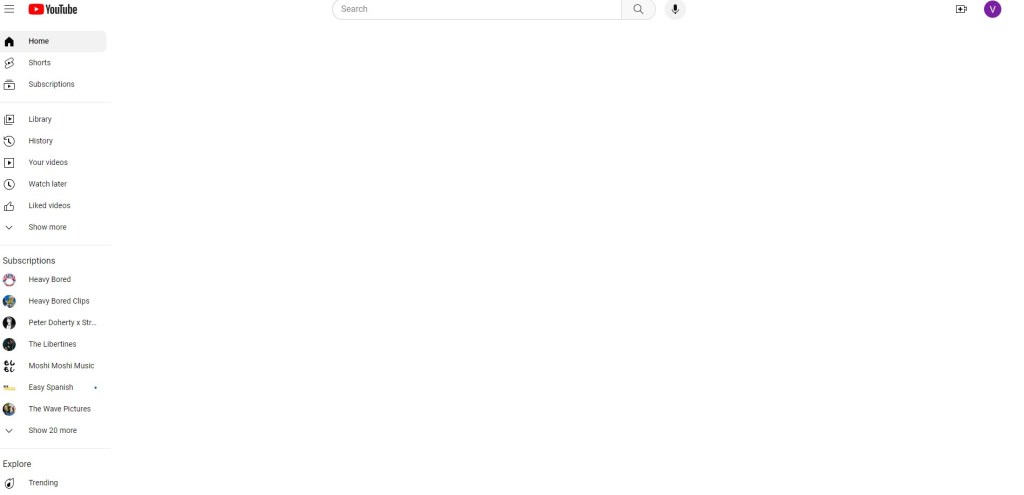
      • When you navigate to the YouTube homepage, you no longer see dozens of videos that may be unrelated to the content you went there to view. Instead, you see only your subscription sidebar and the search function.
      • After you watch a video, Unhooked prevents Autoplay and hides the recommended video feature, allowing you to move on to your next task.

      Unhook has made it easy for me to use YouTube only for what I need and then get back to my writing. Its settings are easy to customize, so you can block only the YouTube features that are most distracting for you.

      My YouTube homepage after installing the Unhook plugin.

      4. Grammarly

      You’ve probably seen the ads. Grammarly is a popular Chrome extension that provides grammar, spelling, and punctuation checking. Since I’ve started using Grammarly, I’ve had fewer typos in my work than relying on built-in spell checkers alone. Grammarly can do all the following, and more:

      • Catch grammar/spelling errors – Grammarly’s real-time checks identify writing mistakes as you type, allowing writers to catch and correct issues early.
      • Enforce style rules – The extension can be customized to check for style guide rules on aspects like punctuation, capitalization, passive voice, etc.
      • Improve clarity – Grammarly provides readability scores and suggestions to help writers make their work more clear and concise.
      • Perfect tone – Grammarly provides tone adjustments for making writing more formal, casual, or business-appropriate.
      • Save time editing – By handling basic editing tasks like grammar and spelling checks, Grammarly allows writers to focus their efforts on higher-level content improvement.

      The internet presents both opportunities and obstacles for writers today. While it offers useful research materials, it also enables infinite distractions. Using extensions like StayFocusd, WebTime Tracker, Unhooked, and Grammarly, writers can control their online environment to minimize distractions and optimize their use of time.

      Give these tools a try to become more focused, aware of your habits, and productive with your writing. Install one or all four to block distractions, track your time, limit YouTube, and catch errors. With the help of these Chrome extensions, you can build the habits and environment for writing success.

      Let me know in the comments which extension sounds most useful for your workflow. And if you have any other recommended Chrome tools for writers, please share! I’m always looking to further optimize my process.

      Posted in interviews, publishing

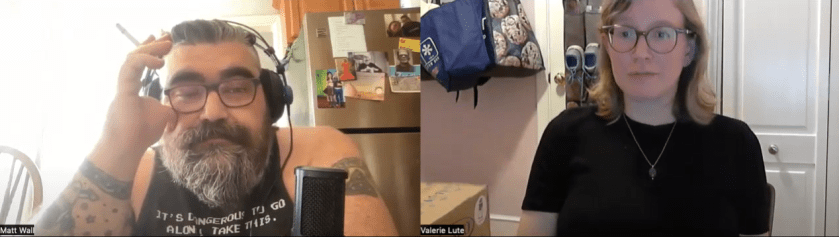
      Art & Anarchy: Interview with Matt Wall

      Matt Wall is a punk Renaissance man, working across music, film, poetry, and science fiction. With his do-it-yourself ethos and no-permission-needed approach, Matt embodies the indie spirit. I was inspired by his unique attitude toward creation and publishing, so I asked if he’d share some tips on turning passion into action.

      Matt spoke about the raw, unedited nature of his poetry, his goal of expanding his poets’ audiences, and the lessons he learned about releasing fiction on Amazon. Most importantly, he encouraged all you new writers to stop overthinking, start creating, and gave permission to write whatever the hell you want.

      Creating Raw Art

      You’re a poet and you run a small press, Poetic Anarchy Press. What can you tell a new potential reader about your work, both your own poetry and what your press produces?

      I started the press because I couldn’t find stuff I liked to read. I started doing this Poetic Anarchy workshop just in hopes of trying to find people who I liked their shit. And so I was doing the workshops for two years, and then I realized, “Oh shit, there’s a lot of great fucking poets out there.” So I started putting out anthology books on Amazon of the people who came to the workshops. Then I started doing The Blood Rag, which is the one-page broadside, and it just has grown from there. It’s basically very selfish in that the only stuff I put out is stuff that I like to read.

      As far as what my stuff is like, it’s really raw snapshot glimpses into things that I’m working through. It’s very therapeutic for me, but I also don’t believe in a lot of editing. I feel like every time you edit you are pulling honesty away from things, and if you do it too much, the soul of the poem disappears, and you just have a bunch of nice-looking lines, but the heart and the blood is gone. I try to do it right the first time.

      There is a skill in being in touch with your emotions and having clarity in your thoughts, and even if you’re not editing your poems, the more you do that and try to be clear and express yourself the better the next poem will get.

      That’s a good way to look at it. I’ll steal that and use that next time.

      I know Charles Bukowski is one of your biggest influences. How has he influenced your writing style? Are there specific poems that you come back to often for inspiration?

      Bukowski is a huge influence on me, but I can’t say it would just be him on his own. I do have my own issues with Bukowski. The gonzo observational journalism of Hunter S. Thompson and the cynical satire of Kurt Vonnegut, those things probably are a bigger influence to me than just the poetry of Bukowski. But Bukowski is from here, where I am and he lived on this street where I’m living on now, and he walked these same streets and went to the same shops that I go to every day. So being in the place, walking the walks that other people walked, it makes things more real for me.

      As far as a poem goes, he has a poem called “Art.” I’m going to try to say it from memory, and I might fuck this up. “As the spirit wanes, the form appears.” That has always made a huge kick in my balls. If you’re thinking too much about it, your soul isn’t in it. Just think less, write more.

      Punk Publishing Ethos

      It’s always easier to move a car that’s in drive than it is to move a parked car.

      I got interested in chapbooks and zines because I felt like there was a disconnect between my passion for underground music and my literary writing. In the literary world, especially these days, it seems like people value prestige over finding a readership.

      Totally, 100%. I don’t know if you’ve heard of SLEERICKETS, but I was on that podcast a while back, and we got into this debate over prestige versus readership or monetary gain. We kept going back and forth on it because the guy who hosts that show, Matthew Buckley Smith, who’s great, but he’s an MFA world guy. He kept talking about how you don’t do anything other than for the prestige. Finally, I’m like, dude, “I can’t fucking pay my rent with prestige, motherfucker. My landlord don’t take it.” He’s great, and we went back and forth, but the idea of prestige to me means less and less because I don’t think most people give a shit. If you were to ask who was the last poet who got a big spread in Poetry, no one would fucking know that except a handful of people who are into that little world, and they probably all know each other anyway. So what the fuck does it matter.

      I was wondering, because you started your career in underground music, do you think that influences how you view your poetry and your press?

      Yeah, here’s the thing that’s weird. When people say, you have a real punk rock attitude about this, this and that. That’s the only thing I know, so it’s not like I’m like, “I’m going to do this because it’s so fucking punk rock.” It’s just this is how I had to fucking do it. This is how I learned to do things. It has totally shaped everything I do, but it did that out of necessity rather than out of aesthetic purposes. 

      I feel like a lot of literary presses do things because of tradition, but what you’re doing is very innovative. I watched your video today, “How to start a book publishing company small press.” You talked about how your job as a publisher is to help your poets expand their audience. Do you think that sets you apart from other small presses?

      If it does, I think that’s an indictment of what small presses are. If a small press isn’t trying to build the readership of the people they put out, then what the fuck are they doing? I just don’t know what the end game is. I can’t see what the goal would be. It just doesn’t make any sense. If that’s the case, then that’s sad as shit.

      I went to a writing conference this year, and I was at a panel about starting a literary journal and [the editors on the panel] were bragging about not knowing how many readers their online journal had. 

      But what’s the brag? “I’m so aloof and apathetic that I don’t fucking give a shit?” Do they just run on grants? Ok, whatever. All this shit is going to dry up, and I don’t know what the fuck they’re going to do. I keep reading how small presses are folding and lit journals are folding, and how the grant money that was there pre-COVID isn’t there anymore. Motherfuckers are fighting to get less money than there was in the first place. But I don’t think they’re fucking fighting because I don’t know if any of them know how to. I feel like if you put them all in a room and put a hurdle in the middle of the room and a sandwich on the other side, and just said, “OK you guys are all going to starve unless you eat that sandwich,” they’ll just be like, “I’m sure someone will come along and hand it to me. I’m not going to fucking climb that hurdle.”

      It’s just like, how do you live? I don’t get it. I don’t want to do the whole “how you were raised” bullshit. It’s just a completely different culture that I do not understand and will probably never be accepted into—that’s fine—and it probably won’t even exist in sixty years.

      I appreciate how you have a lot of passion for what you’re doing, and you’re being innovative in how you bring art to people. I have a lot of frustrations with [what’s going on] and I always feel like I should be doing more to come up with my own ideas for getting people to care about the written word.

      My question to you I guess would be, what is the thing holding you back from trying to figure that out.

      I feel like I am trying, it’s just there’s always more that one could be doing.

      We can’t ever be super hard on ourselves because if we do that, we’re not going to ever fucking do anything. I’m just always like, “I’m just going to fucking do something.” It’s always easier to move a car that’s in drive than it is to move a parked car. So I’ll just fucking start something, and it will be little, and see what happens. Too many people who want to do something and want to try to change something feel like they need to have the whole fucking thing planned out before they do anything.

      When you’re inspired to do something, that’s when you go. Lightning strikes and it flashes. I encourage you to, the second you have an idea to help that shit, just fucking do it.

      How to Kill It on Amazon

      You mostly write poetry but you do a little fiction too, right?

      Because I was making movies and writing screenplays and shit, and then I had all these movies that I still wanted to do, but I was tired of working for producers. This was right around the time that Kindle took off on Amazon, so like 2011, 2012, and I had a TV show pilot that I turned into a serial. I was releasing weekly episodes. That blew up for me. It was nice not writing to a budget. I could do anything I wanted to do. That was so fucking freeing.

      I was releasing on a chaotic schedule for the next three years doing novellas, novels, and more serials in all different kinds of genres. It took me a while to realize that doing stuff like that is poison on Amazon. You have to do the same thing over and over again in order for Amazon to want to push you to people. 

      That took me all over the place. Probably by 2016, I got back into poetry. That being the thing that got me writing in the first place. I’ve just been doing it ever since because I can do it quickly and I can do any genre stuff I want. I could write about multiple different things in one day and feel like I got a lot done. I’ve written a couple other novels since then too, but it’s mainly the poetry. Lots of short stories too.

      As far as my readership goes, my short story chapbooks and collections don’t sell as well as my poetry does. So I tend to put those out less. Still gotta pay the fucking bills, because the landlord still doesn’t take prestige. 

      Do you find it constraining to try to write towards the algorithm or is it no different than other artistic constraints when artists are trying to make a living off their work?

      Yes, and no. My series that did really well was Black Star Canyon. It had a huge fucking ensemble cast, and it was all different genres. There was a police procedural at the heart of it, but then there was this weird occult thing with some of the characters, and there was this weird sci-fi mad scientist thing with other characters, and there was a love triangle with some other characters.

      So how that worked better than all the other shit I’ve done, is that I just took one story, one area, the town, and all these other story ideas I had, all these other books I had, I just took those characters and that story and drop them in that town. And just make that another chapter in the book. If you can do something like that, if you do like to run across a lot of different genres, just try to bring all of that into one series, because series books sell. Amazon pushes series. They’re easy to sell to readers with just the idea if they’ve liked what they’ve read and they get to the end, “continue the adventure by clicking here.” It’s a marketer’s dream. If you can, take every idea you have in your idea folder or post-note drawer, and just keep dropping that shit in.

      I’m not going to say it’s going to guarantee success, but you will have much more success doing that.

      It seems to me that the characters are what people most connect with, so having recurring characters, even if they just have a cameo appearance, that still engages people.

      I will say this, something that will kill your sales faster than anything is killing off characters that people like. You can’t do the fucking Game of Thrones thing. It would have never worked if it came out now. People would have been like “This motherfucker did what? I’m done. One-star review, you fucking piece of shit.”

      I killed off a bunch of characters that people liked. It did not go well. So keep thinking I might kind of bring it back. Can I bring them back and do another book? But then I think, that’s just me placating. 

      I always liked short self-contained stories, and I guess I’m weird. I know it’s not what most people like.

      Honestly, I hate filler, and there are times when you’re reading and know, oh shit, this is some fluff. This is for page count. Goddamnit.

      But I think a good short story works the best. That’s what I tell one of my members in the Anarchy Crew, he writes a lot of short horror fiction. He wants to get into novels because he knows short fiction doesn’t sell on Amazon. And I’m like, “Is there any way you can take all your short stories and just take that main character, and now it’s like Bob Jones. And every short story you have is now about Bob Jones. Can you do that?” And he’s like, “Oh, fuck.” And so he’s doing that right now. He’s putting together this big fucking chonker and he’s excited about it. So I hope that that works out for him.

      ‘Cuz like, back in the day, bind-ups were a huge fucking thing. The Gunslinger, Foundation was a bind-up. Just a bunch of short stories that they were just like, “Oh, I can turn this into a fucking novel.” Dune was a bind-up. All of these little chapters were released in magazines. Then when they realized they could put it together, now they can sell a gajillion copies. 

      So everyone go do that. Stop reading this and go do that.

      Do you have any new writing projects or collections that you’re working on and do you have anything you’d like to share about those for us?

      I still do a monthly chapbook on my Etsy shop, and the one from this month is going to come out at the end of this week. The new Blood Rag will be out this week.

      Then I have a couple big poetry collections and a couple big short story collections that I want to do paperback runs of on Amazon.

      But I also have a craft book called “Poetry is Bullshit” that I’ve written, but I’m in the process of formatting it. I don’t know why this is taking me so long. Going back and taking all of this shit and snippets from lectures I’ve given, it’s like nails on a chalkboard for me. But I know the shit in it is good. Just know that when it comes out, this was a labor of blood.

      Then there’s a documentary being filmed about me right now. That is kind of embarrassing, but it’s also kind of fun. It’s going to do festivals next year. That’s the goal for it. It’s just about how I do things. Embarrassing, but also fun.

      When I say it out loud, it does sound overwhelming. Now I need a Xanax. I need to crawl in a hole for a little bit and cry. It’s all good. You have to hustle that shit. No one’s gonna do it for you.

      Most people are just looking for permission. If you need someone to do that, I give you my permission. You now have permission to write whatever the fuck you want to write.

      You’ve had a lot of advice for new writers, but if there’s one big takeaway, what would that be?

      I don’t think I can say just one, so I’ll give a little handful. If there’s anyone out there who thinks, “Why would anyone want to read my stuff? I haven’t done anything, I’m not important, why would anyone want to read it?” If it’s important enough for you to write, that means that there’s an audience for it. It might take you a bit to find that audience, but the fact that you want to do it shows that there’s an interest in it. Don’t worry about that.

      The second thing I want to say is: don’t fucking listen to anybody. Just write. Just get your shit out. You don’t have to overthink it. You don’t need anyone else’s approval. You just need to do it if you feel the burning desire inside of you.

      Then probably the last thing is, if you want to know how to write: you already know how to write. You already know how to do all this. You send text messages. You send emails. You communicate with people every day. You already know how to do it. Most people are just looking for permission. If you need someone to do that, I give you my permission. You now have permission to write whatever the fuck you want to write.

      If you’ve been inspired by Matt like I have, find out more about writing on his website.

      Posted in Uncategorized, writing habits

      The Pomodoro Technique for Writers: A Productivity Hack for Focus

      Staring at a blinking cursor for hours leads to frustration for many writers. Burnout looms over marathon writing sessions. That’s why the pomodoro technique can be a game-changer for writers looking to boost productivity and prevent fatigue.

      The pomodoro technique is a time management system that utilizes timed intervals to enhance focus. By writing in short, distraction-free sprints, writers can optimize their energy, attention and motivation.

      This article will cover how the pomodoro technique helps writers improve productivity and beat burnout through strategically timed writing sessions. You’ll learn the background of the pomodoro method along with tips to implement it in your writing process. Get ready to maximize your time, creativity and output!

      What is the pomodoro technique?

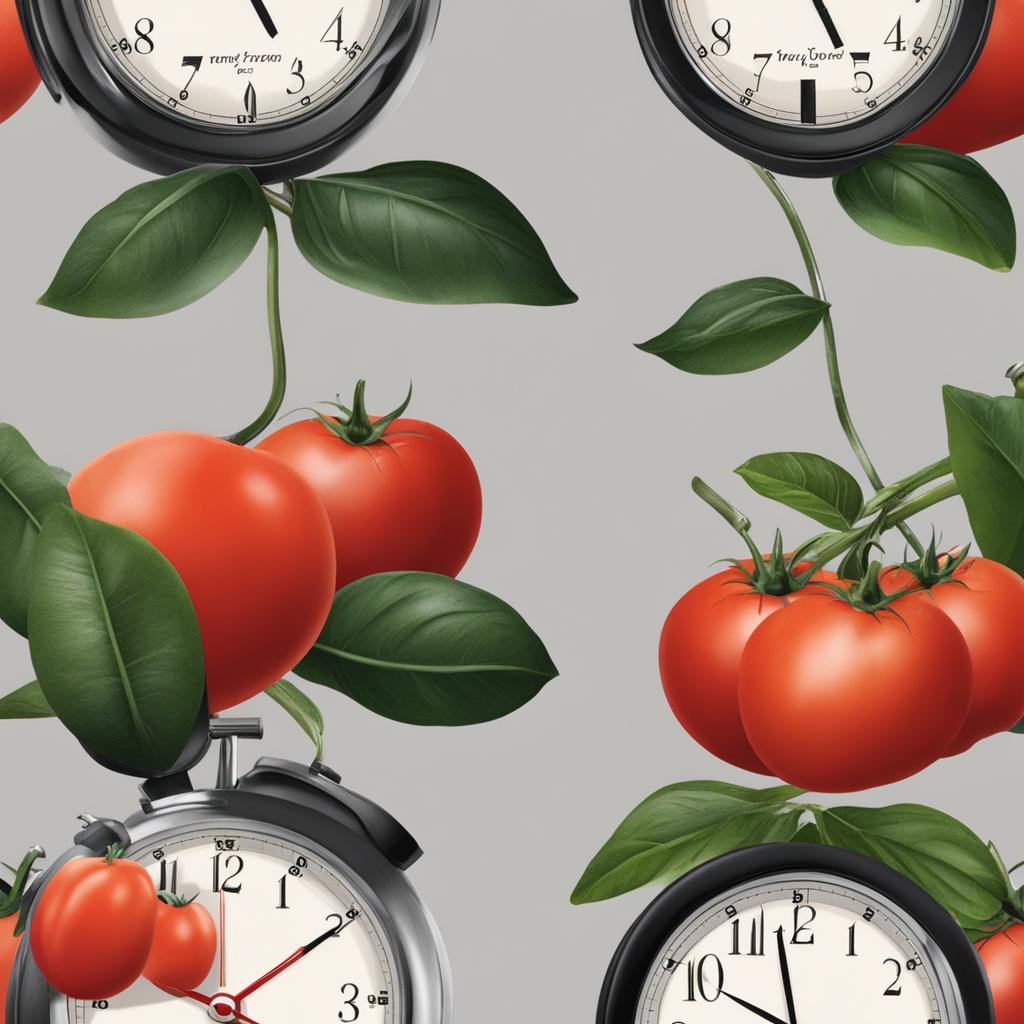
      The pomodoro technique is a time management system that breaks work into intervals, usually 25 minutes long, separated by a short five-minute break. Francesco Cirillo first developed the technique in the late 1980s in order to improve productivity and focus. It gets its name from a tomato-shaped egg timer that was popular at the time.

      As a university student, Cirillo struggled with staying engaged and productive while studying. He often felt overwhelmed by the amount of material and often procrastinated. To improve his focus, Cirillo decided to break his work into short intervals with breaks in between.

      The basic steps are:

      1. Decide on a task to work on. Set a timer for 25 minutes.
      2. Work on the task until the timer rings. Avoid distractions during this time.
      3. When the timer rings, take a 5-minute break.
      4. After taking a break, reset the timer for another 25-minute work session.
      5. After completing 4 work intervals, take a longer 15-20 minute break.
      6. Repeat steps 2-5 until the work is complete.

      The forced breaks and time constraints help minimize burnout while maximizing focus. If you’d like, the technique can be customized with longer or shorter work intervals and breaks. Many people find the rhythm helpful for time management and maintaining motivation. You can use any app or physical timers that you already own. I like to use one side of a vinyl record. When the side ends, I get up and do my break before flipping over the album.

      What are the benefits of the pomodoro technique for writers?

      The pomodoro technique has helped me organize my longer writing projects and get more chores done around the house, as starting laundry and doing the dishes can be a great “break” from writing. I recommend the method to all my students for the following reasons:

      • Increased focus – The timed nature minimizes distractions and keeps you focused on writing for each 25-minute sprint. In a study by the University of Illinois, short breaks were shown to replenish attention and increase productivity.
      • Better time management – By breaking down writing into digestible chunks, you get a sense of how long tasks take. This improves time planning.
      • Preventing burnout – The mandated short breaks act as a safeguard against marathon writing sessions that lead to fatigue and creative burnout.
      • Reduced procrastination – The timer adds accountability and motivation to start writing rather than putting it off. The short timeframe also makes tasks feel more achievable.
      • Improved productivity – Many writers find they complete more daily word count and make greater progress in their work utilizing the focused sprints and time tracking.
      • Finding flow – Having defined writing periods can help writers get into a state of flow where words come easier.
      • Maintaining energy – The cyclic rhythm of intense focus and recovery helps keep energy and motivation high.
      • Opportunities to refill well – The breaks create natural intervals to do quick research, take notes, or stretch your mind with an unrelated task. This has been proven to jog creativity and break writer’s block.
      • Reliable writing routine – Setting timers regularly can establish a productive daily writing habit.

      If you are primarily working on a screen, the pomodoro technique provides additional benefits. Taking a screen break reduces eye strain, improves posture and encourages movement – all of which will increase your creativity.

      Ready to give the pomodoro technique a try? Here are a few ways you can incorporate it into your next writing session:

      How can writers use the pomodoro technique?

      • Use your first timed session for brainstorming. Try using the whole timer period for freewriting, that is writing down everything that comes into your head. If you already have a story idea but are unsure how to get started, use your first timer to jot down all the ideas you have related to your idea.
      • Choose a scene, just one, and write it for the duration of the timer. Having the intention of focusing on a single scene can help clarify your vision. If you choose to set another timer after your first break, you can either continue the scene you are working on or go on the the next scene.
      • Or alternatively, you can use the pomodoro technique to switch between writing and editing. Try not to fix errors or go backward during your writing sessions in order to stay focused on one task at a time.
      • Pair up with a partner or join a writing group. Set a timer together in order to motivate each other and hold each other accountable.

      Start timing those writing sprints today to power through projects while preventing burnout. If you are looking for more effective planning hacks for writers, check out my article “6 Time Management Tricks for Writers” and follow this blog on Facebook or Twitter for more tips on reaching your writing goals. Happy writing!

      Posted in Uncategorized

      “Show Don’t Tell” is Bad Advice

      Happy families are all alike; every unhappy family is unhappy in its own way.

      Anna Karenina by Leo Tolstoy

      When I was an MFA student, I couldn’t write a single line of exposition without my classmates circling it on their copies. “Show don’t tell,” they’d scrawl in the margins before handing me their feedback. For years, I tried to write without any exposition. Any backstory had to be told in complete flashbacks. The point of view characters were not allowed to speculate, reminisce, plan, or have a life philosophy. But I found the result was small, insignificant stories.

      Exposition–done correctly–adds depth by tying the events of the story to larger themes and setting the cultural backdrop of the world. Let’s have a look at the famous opening lines of Pride and Prejudice by Jane Austen.

      It is a truth universally acknowledged, that a single man in possession of a good fortune must be in want of a wife.

      Pride and Prejudice by Jane Austen

      In short order, we’ll be introduced to the main characters and get a sense of their personalities, but we start here with a broad statement about the world of the story. We learn here how important marriage and wealth are in this society. The fact that it is “universally acknowledged” from the third-person narrator shows how much conformity exists in this society.

      One could argue that this line should be shown in a scene, or that the scene that follows adequately demonstrates the line. Yet this is one of the most famous opening sentences in English literature. The “telling” nature is what makes it memorable.

      After reading a lot of classic novels, I came to believe that the problem with exposition is that a lot of beginner writers don’t know how to use it correctly. They might spend pages on a scene where the main character gets up and eats breakfast with loads of vivid sensory detail. Then a pivotal scene where the character makes a life-changing decision might happen in one rushed paragraph. This is a pacing issue, not a problem with exposition in general.

      I am a sick man…. I am a spiteful man. I am an unattractive man. I believe my liver is diseased.

      Notes from the Underground by Fyodor Dostoyevsky

      This pacing problem happens because it is relatively easy to write detailed scenes about the mechanics of what we do every day. It’s much harder to write a scene that demonstrates why someone has made a life-altering decision or what caused a sudden epiphany. The former is what actually belongs in exposition, while the latter is the meat of the story—the stuff that really needs to be shown, not told.

      In order to improve our writing, we must practice what’s most difficult—those pivotal scenes where a character changes forever, but we must also learn how to write good exposition, which is just as hard as good scenes. Good exposition can be witty and interesting. It demonstrates the voice and world view of the point of view character. Most of all, it can show us why this story actually matters.

      Posted in interviews

      Interview with BL Jasper On Finishing a Novel, Querying and Finding an Agent

      First, tell us about your novel. What is the story and what inspired you to tell it?

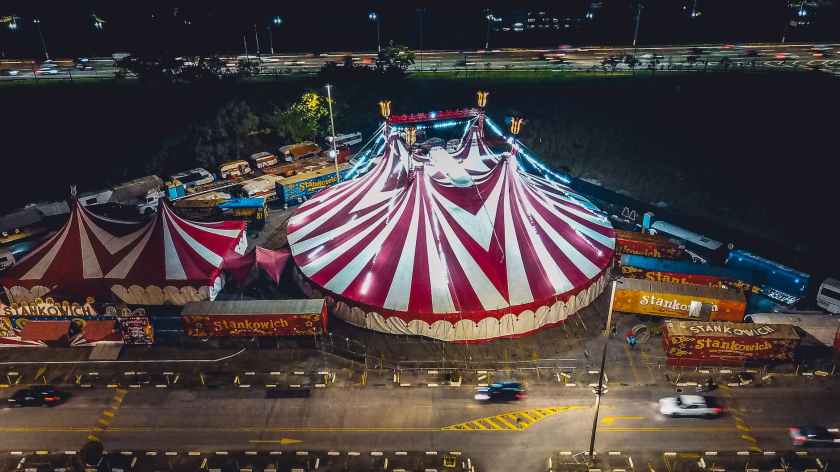
      A Dance of Djinn (working title) is the story of Fern and Dahlia, two circus performers who grew up in the traveling Circus of Reveries. Dahlia is a bookish, anxious witch with PTSD from her mother’s death, and Fern is a charismatic yet nerdy Latinx guy who sees the memories of the dead when he touches bones. Intent on chasing down answers and sorting through past trauma, they’re separated across continents. But behind the scenes, a goddess and a djinn-king are battling for control of their lives.

      This story is sort of the “book of my heart.” I’ve spent the last 10 years looking for a circus novel as compelling for me as The Night Circus by Erin Morgenstern, and I have always had a deep soft spot for djinn. Not like magic lamp genies but the kind based in Islamic scripture and lore, Creatures of sand and smokeless fire. I am also tired of narrative story arcs about two characters falling in love—so I set out to write a book where they were already in love, because what happens after that is so much more complicated, the feelings so much more intense, and the repercussions life-changing.

      How long did it take you to finish your novel? What was your writing schedule like? How did you balance work, family, and writing?

      I started this novel in July 2021 and finished my first draft in February 2022. About two-thirds of this novel was drafted while I was in craft classes, so I would write a new batch each week to submit, revising it about twice before sending it out for workshop.

      I began the novel in Valerie Lute’s Writing the Strange class (from a character writing exercise), then took Science Fiction and Fantasy Workshop taught by Michael McComas and continued writing. After that, I was lucky to be invited to a permanent writer’s workshop and continued to get feedback. I did a lot of my drafting in the evenings after my kids went to bed.

      I subscribe to VE Schwab’s opinion that thinking about your novel is still writing. I spent a lot of time thinking about this book while cooking, driving, cleaning, and showering. My husband came to recognize the look on my face when I was no longer in this world but in the world of my book. He got used to me jumping out of the shower and yelling, “No one talk to me until I write this down!” 

      After more than a year of writing regularly (I’m drafting my third book now), I’ve come to realize that I write best during certain times of day. I usually try to get in about 30 minutes minimum. I don’t do a word count goal, but a lot of times I’ll have a particular scene I want to get through, and I try to sit down with enough time to knock that out, even if it’s bare bones. 

       How many drafts did you write? Did you revise as you go or complete a draft at a time, or some mix of both?

      I am what I like to call a “chaotic neutral plantser” which means that I plan (vaguely) about a third of my book, and then once I know the characters and the world, I let them tell me the story. That’s my favorite part of writing– sitting down for a scene and having it go sideways because the characters are being true to themselves, and not what I want for them.

      For this book, which was my first, I did a lot of revision as I went. I read back through, perfected sentences, emotion, pacing, etc. before moving on to the next scene. So that left me with a pretty draft when I finished. I read through it a few times, making small edits before querying. However…

      In May 2022, I attended the Muse and the Marketplace writer’s conference, which was amazing. I attended a lot of sessions on finding an agent and querying, including First Impressions: How to Hook an Agent/Editor with Your Opening Pages with Amaryah Orenstein, the founder of Go Literary Agency. I also attended a couple of sessions that really changed things for me. The first was a session with Hank Phillippi Ryan on first pages. The second was a craft session on revision as a process by Ann Hood

      After attending those sessions, I rewrote about half of the book, expanding my second POV character and tightening the action. I realized I had written a lot of “scaffolding” that was great for understanding the characters and the setting, but not so great for moving the story along. This revised draft is the one that landed me two indie press offers and an agent.

      Since it’s NanoWriMo, do you have any advice for new writers who feel overwhelmed when they sit down to write or are struggling to find the time?

      I love writing prompts to get the creativity flowing if you feel out of practice going into NANO. Even setting a timer for three minutes and either picking a word and free writing or looking at a picture and describing it can loosen you up. When it comes to actually getting your story on the page, I like to remind myself that nothing is permanent until it’s published.

      I recently started doing this thing where, when I am trying to bust out a scene, I’ll add something like [INSERT EMOTION HERE] or [INSERT BACKSTORY HERE] or [BETTER ANALOGY HERE]. Sometimes I don’t have the capacity to be a poetic writer or to think of someone’s history on the spot. Sometimes I just need to get out the plot beats, and the magic happens in revision. Other times I sit down to write and the words that come out are perfect, and I never end up changing them. Both methods are valid, and both methods are me. You don’t have to be perfect the first go-through. You can write “Jane was scared.” and come back later to show instead of tell.

      I have a friend who is working on her next book. She has kids, a full-time job. Her goal is 300 words a day. And if she keeps it up, she’ll draft a book in under a year. Give yourself grace, and do what you can do.

      I saw on Twitter that you queried this novel for 8 months and contacted 102 literary agents. What lessons did you learn from the process? Did you ever need to change your approach? Did you learn anything to impart to someone beginning the process? Were you ever tempted to give up?

      There’s this intense rush you get when you finish a book. You want it out in the world immediately, and that can make you do some stupid things. I wish I had held off querying my first book. The number of agents who represent adult fantasy is so small, I really could have put my best foot forward by waiting.

      One of the things I’ve learned about revision is that stepping away for weeks or months is key. When you think you’ve got it perfect, shelve it for a month or three. The things you notice when you aren’t neck-deep in your own story will help you make it better.

      If I could give querying new authors tips, it’s this:

      1. Agents don’t know what they want half the time. They’re looking for that je ne sais quoi in a manuscript. So sometimes, even though you will perfectly match what they say they are looking for, you get a rejection. Often, it’s not you– it’s them.
      2. The podcast The Shit No One Tells You About Writing is invaluable for querying authors. Fantastic advice. I listened to so many episodes in the car, my kids still ask about it.
      3. Get free advice on your query at the subreddit R/PubTips. Take it with a grain of salt.
      4. Hone your “elevator pitch” to within an inch of its life, and use it to catch agent attention in your query, your twitter pitches, etc. It took me forever to figure out what that is, but if you were trying to describe a book to a friend, in relation to other things they might have seen or read, how would you do it? So for a rom-com it might be: It’s like Emma meets The Great British Baking Show, and the main character is trying to match the contestants in the tent without realizing she’s in love with the baker next to her. You kind of instantly know what you’re in for.

      In terms of giving up, I did essentially shelve this project. I had one full manuscript out (with my now agent) and most agents had replied already. I had moved on to querying a second project when I decided to throw out a Twitter pitch into the world for DVPit. This got an agent manuscript request and a small press manuscript request, the small press request turned into an offer of publication, and that turned into a second small press offer of publication and my agent offer.