Posted in productivity, writing habits

Best Google Chrome Plugins for Writers

Writers today face many distractions that can derail productivity and impact the writing process. With so many websites, apps, notifications, and rabbit holes competing for our attention, it can be challenging to focus and make progress on writing projects. Fortunately, Google Chrome offers some handy extensions that can help writers take control of their environment, build better habits, and optimize their workflows.

In this post, I’ll highlight four of my favorite Chrome extensions for improving focus, tracking time, limiting distractions, and catching errors during the writing process. Whether you struggle with procrastination, losing time to research tangents, or just need help enforcing good writing habits, these tools can help you manage your online time and energy more effectively. Read on to learn how StayFocusd, WebTime Tracker, Unhooked, and Grammarly make me a more productive and proficient writer.

1. StayFocusd

StayFocusd is a Chrome extension that helps people stay focused on work by blocking or limiting access to distracting websites. Some of the ways StayFocusd helps keep me on my writing task include:

  • Block distracting websites – Writers can use StayFocusd to block time-wasting sites like social media, news, YouTube, etc. during writing time. This removes distractions.
  • Set writing time limits – StayFocusd allows setting daily time limits for websites. Writers can use this to define writing goals and limit time on non-writing sites.
  • Focus during writing sessions – With distracting sites blocked, writers can get into a flow state and avoid wasting time toggling between apps/sites.
  • Limit Internet research – The blocking features can also limit time spent going down research rabbit holes online, keeping writers focused.
  • Prevent procrastination – StayFocusd is useful for procrastinators – blocking sites makes it harder to procrastinate on writing work.
  • Set nuclear option for writing – The “nuclear option” blocks all sites except a whitelist. Writers can whitelist only writing apps/sites to force focus. Combine it with the Pomodoro Technique for extra focus.

StayFocusd gives writers more control over their environment and habits to minimize distractions and stay focused on writing. For me, it’s an indispensable productivity tool. I use it to block social media, news sites, and online retail, but you can personalize it for your own biggest time sucks.

2. WebTime Tracker

WebTime Tracker is a Chrome extension that tracks how much time you spend on websites and applications. I find it helpful to track my time especially when doing background research for writing projects.  Its key features for writers include:

    • Track time spent writing – The extension can track time spent in word processors/writing apps to help writers know how much actual writing they are getting done each day.
    • Identify productive writing times – The productivity reports can show writers when their peak writing times are based on when they have longer writing sessions. This allows for optimizing schedules.
    • Track research time – Time spent researching and gathering material can also be tracked separately from writing time to analyze efficiency.
    • Analyze habits – Writers can look at usage trends to see if they are procrastinating, identify what steals their time, and adjust their habits accordingly.

    WebTime Tracker aims to make you more aware of how you spend time online so you can focus on being productive and minimize distractions.

    3. Unhook

    Unhook is a plugin that works with YouTube that I only recently discovered. I was reluctant to use Stayfocusd to set limits on YouTube because I used it for exercise and medication, but kept getting stuck in video rabbit holes. The website works hard on its algorithms to keep us users on the site, after all. Unhooked is my way to fight back. With this plugin, I only use YouTube for what I need. Here’s how it works:

      • While on YouTube, Unhook hides related videos, comments, shorts tab, suggestions, homepage recommendations, and other distractions.
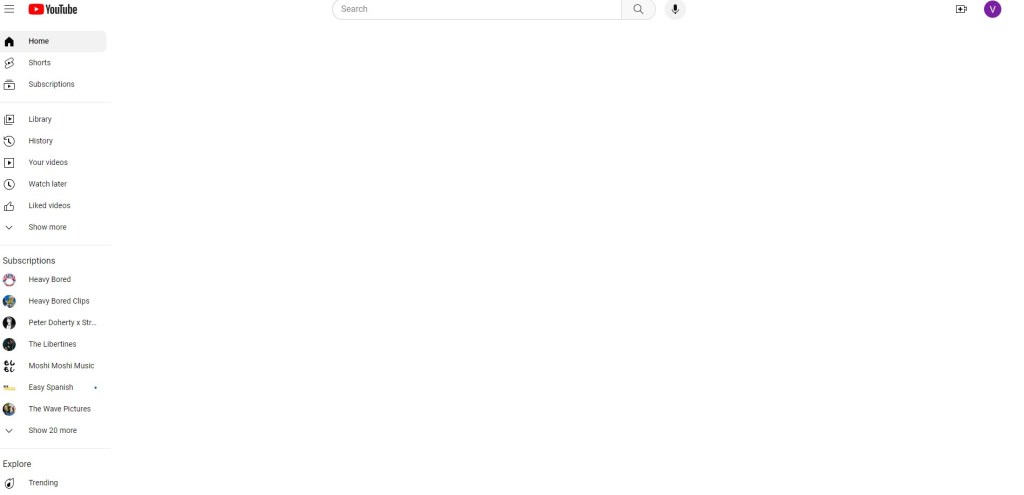
      • When you navigate to the YouTube homepage, you no longer see dozens of videos that may be unrelated to the content you went there to view. Instead, you see only your subscription sidebar and the search function.
      • After you watch a video, Unhooked prevents Autoplay and hides the recommended video feature, allowing you to move on to your next task.

      Unhook has made it easy for me to use YouTube only for what I need and then get back to my writing. Its settings are easy to customize, so you can block only the YouTube features that are most distracting for you.

      My YouTube homepage after installing the Unhook plugin.

      4. Grammarly

      You’ve probably seen the ads. Grammarly is a popular Chrome extension that provides grammar, spelling, and punctuation checking. Since I’ve started using Grammarly, I’ve had fewer typos in my work than relying on built-in spell checkers alone. Grammarly can do all the following, and more:

      • Catch grammar/spelling errors – Grammarly’s real-time checks identify writing mistakes as you type, allowing writers to catch and correct issues early.
      • Enforce style rules – The extension can be customized to check for style guide rules on aspects like punctuation, capitalization, passive voice, etc.
      • Improve clarity – Grammarly provides readability scores and suggestions to help writers make their work more clear and concise.
      • Perfect tone – Grammarly provides tone adjustments for making writing more formal, casual, or business-appropriate.
      • Save time editing – By handling basic editing tasks like grammar and spelling checks, Grammarly allows writers to focus their efforts on higher-level content improvement.

      The internet presents both opportunities and obstacles for writers today. While it offers useful research materials, it also enables infinite distractions. Using extensions like StayFocusd, WebTime Tracker, Unhooked, and Grammarly, writers can control their online environment to minimize distractions and optimize their use of time.

      Give these tools a try to become more focused, aware of your habits, and productive with your writing. Install one or all four to block distractions, track your time, limit YouTube, and catch errors. With the help of these Chrome extensions, you can build the habits and environment for writing success.

      Let me know in the comments which extension sounds most useful for your workflow. And if you have any other recommended Chrome tools for writers, please share! I’m always looking to further optimize my process.

      Posted in interviews, publishing

      Art & Anarchy: Interview with Matt Wall

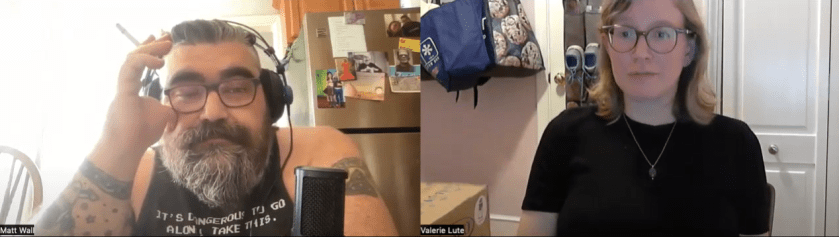
      Matt Wall is a punk Renaissance man, working across music, film, poetry, and science fiction. With his do-it-yourself ethos and no-permission-needed approach, Matt embodies the indie spirit. I was inspired by his unique attitude toward creation and publishing, so I asked if he’d share some tips on turning passion into action.

      Matt spoke about the raw, unedited nature of his poetry, his goal of expanding his poets’ audiences, and the lessons he learned about releasing fiction on Amazon. Most importantly, he encouraged all you new writers to stop overthinking, start creating, and gave permission to write whatever the hell you want.

      Creating Raw Art

      You’re a poet and you run a small press, Poetic Anarchy Press. What can you tell a new potential reader about your work, both your own poetry and what your press produces?

      I started the press because I couldn’t find stuff I liked to read. I started doing this Poetic Anarchy workshop just in hopes of trying to find people who I liked their shit. And so I was doing the workshops for two years, and then I realized, “Oh shit, there’s a lot of great fucking poets out there.” So I started putting out anthology books on Amazon of the people who came to the workshops. Then I started doing The Blood Rag, which is the one-page broadside, and it just has grown from there. It’s basically very selfish in that the only stuff I put out is stuff that I like to read.

      As far as what my stuff is like, it’s really raw snapshot glimpses into things that I’m working through. It’s very therapeutic for me, but I also don’t believe in a lot of editing. I feel like every time you edit you are pulling honesty away from things, and if you do it too much, the soul of the poem disappears, and you just have a bunch of nice-looking lines, but the heart and the blood is gone. I try to do it right the first time.

      There is a skill in being in touch with your emotions and having clarity in your thoughts, and even if you’re not editing your poems, the more you do that and try to be clear and express yourself the better the next poem will get.

      That’s a good way to look at it. I’ll steal that and use that next time.

      I know Charles Bukowski is one of your biggest influences. How has he influenced your writing style? Are there specific poems that you come back to often for inspiration?

      Bukowski is a huge influence on me, but I can’t say it would just be him on his own. I do have my own issues with Bukowski. The gonzo observational journalism of Hunter S. Thompson and the cynical satire of Kurt Vonnegut, those things probably are a bigger influence to me than just the poetry of Bukowski. But Bukowski is from here, where I am and he lived on this street where I’m living on now, and he walked these same streets and went to the same shops that I go to every day. So being in the place, walking the walks that other people walked, it makes things more real for me.

      As far as a poem goes, he has a poem called “Art.” I’m going to try to say it from memory, and I might fuck this up. “As the spirit wanes, the form appears.” That has always made a huge kick in my balls. If you’re thinking too much about it, your soul isn’t in it. Just think less, write more.

      Punk Publishing Ethos

      It’s always easier to move a car that’s in drive than it is to move a parked car.

      I got interested in chapbooks and zines because I felt like there was a disconnect between my passion for underground music and my literary writing. In the literary world, especially these days, it seems like people value prestige over finding a readership.

      Totally, 100%. I don’t know if you’ve heard of SLEERICKETS, but I was on that podcast a while back, and we got into this debate over prestige versus readership or monetary gain. We kept going back and forth on it because the guy who hosts that show, Matthew Buckley Smith, who’s great, but he’s an MFA world guy. He kept talking about how you don’t do anything other than for the prestige. Finally, I’m like, dude, “I can’t fucking pay my rent with prestige, motherfucker. My landlord don’t take it.” He’s great, and we went back and forth, but the idea of prestige to me means less and less because I don’t think most people give a shit. If you were to ask who was the last poet who got a big spread in Poetry, no one would fucking know that except a handful of people who are into that little world, and they probably all know each other anyway. So what the fuck does it matter.

      I was wondering, because you started your career in underground music, do you think that influences how you view your poetry and your press?

      Yeah, here’s the thing that’s weird. When people say, you have a real punk rock attitude about this, this and that. That’s the only thing I know, so it’s not like I’m like, “I’m going to do this because it’s so fucking punk rock.” It’s just this is how I had to fucking do it. This is how I learned to do things. It has totally shaped everything I do, but it did that out of necessity rather than out of aesthetic purposes. 

      I feel like a lot of literary presses do things because of tradition, but what you’re doing is very innovative. I watched your video today, “How to start a book publishing company small press.” You talked about how your job as a publisher is to help your poets expand their audience. Do you think that sets you apart from other small presses?

      If it does, I think that’s an indictment of what small presses are. If a small press isn’t trying to build the readership of the people they put out, then what the fuck are they doing? I just don’t know what the end game is. I can’t see what the goal would be. It just doesn’t make any sense. If that’s the case, then that’s sad as shit.

      I went to a writing conference this year, and I was at a panel about starting a literary journal and [the editors on the panel] were bragging about not knowing how many readers their online journal had. 

      But what’s the brag? “I’m so aloof and apathetic that I don’t fucking give a shit?” Do they just run on grants? Ok, whatever. All this shit is going to dry up, and I don’t know what the fuck they’re going to do. I keep reading how small presses are folding and lit journals are folding, and how the grant money that was there pre-COVID isn’t there anymore. Motherfuckers are fighting to get less money than there was in the first place. But I don’t think they’re fucking fighting because I don’t know if any of them know how to. I feel like if you put them all in a room and put a hurdle in the middle of the room and a sandwich on the other side, and just said, “OK you guys are all going to starve unless you eat that sandwich,” they’ll just be like, “I’m sure someone will come along and hand it to me. I’m not going to fucking climb that hurdle.”

      It’s just like, how do you live? I don’t get it. I don’t want to do the whole “how you were raised” bullshit. It’s just a completely different culture that I do not understand and will probably never be accepted into—that’s fine—and it probably won’t even exist in sixty years.

      I appreciate how you have a lot of passion for what you’re doing, and you’re being innovative in how you bring art to people. I have a lot of frustrations with [what’s going on] and I always feel like I should be doing more to come up with my own ideas for getting people to care about the written word.

      My question to you I guess would be, what is the thing holding you back from trying to figure that out.

      I feel like I am trying, it’s just there’s always more that one could be doing.

      We can’t ever be super hard on ourselves because if we do that, we’re not going to ever fucking do anything. I’m just always like, “I’m just going to fucking do something.” It’s always easier to move a car that’s in drive than it is to move a parked car. So I’ll just fucking start something, and it will be little, and see what happens. Too many people who want to do something and want to try to change something feel like they need to have the whole fucking thing planned out before they do anything.

      When you’re inspired to do something, that’s when you go. Lightning strikes and it flashes. I encourage you to, the second you have an idea to help that shit, just fucking do it.

      How to Kill It on Amazon

      You mostly write poetry but you do a little fiction too, right?

      Because I was making movies and writing screenplays and shit, and then I had all these movies that I still wanted to do, but I was tired of working for producers. This was right around the time that Kindle took off on Amazon, so like 2011, 2012, and I had a TV show pilot that I turned into a serial. I was releasing weekly episodes. That blew up for me. It was nice not writing to a budget. I could do anything I wanted to do. That was so fucking freeing.

      I was releasing on a chaotic schedule for the next three years doing novellas, novels, and more serials in all different kinds of genres. It took me a while to realize that doing stuff like that is poison on Amazon. You have to do the same thing over and over again in order for Amazon to want to push you to people. 

      That took me all over the place. Probably by 2016, I got back into poetry. That being the thing that got me writing in the first place. I’ve just been doing it ever since because I can do it quickly and I can do any genre stuff I want. I could write about multiple different things in one day and feel like I got a lot done. I’ve written a couple other novels since then too, but it’s mainly the poetry. Lots of short stories too.

      As far as my readership goes, my short story chapbooks and collections don’t sell as well as my poetry does. So I tend to put those out less. Still gotta pay the fucking bills, because the landlord still doesn’t take prestige. 

      Do you find it constraining to try to write towards the algorithm or is it no different than other artistic constraints when artists are trying to make a living off their work?

      Yes, and no. My series that did really well was Black Star Canyon. It had a huge fucking ensemble cast, and it was all different genres. There was a police procedural at the heart of it, but then there was this weird occult thing with some of the characters, and there was this weird sci-fi mad scientist thing with other characters, and there was a love triangle with some other characters.

      So how that worked better than all the other shit I’ve done, is that I just took one story, one area, the town, and all these other story ideas I had, all these other books I had, I just took those characters and that story and drop them in that town. And just make that another chapter in the book. If you can do something like that, if you do like to run across a lot of different genres, just try to bring all of that into one series, because series books sell. Amazon pushes series. They’re easy to sell to readers with just the idea if they’ve liked what they’ve read and they get to the end, “continue the adventure by clicking here.” It’s a marketer’s dream. If you can, take every idea you have in your idea folder or post-note drawer, and just keep dropping that shit in.

      I’m not going to say it’s going to guarantee success, but you will have much more success doing that.

      It seems to me that the characters are what people most connect with, so having recurring characters, even if they just have a cameo appearance, that still engages people.

      I will say this, something that will kill your sales faster than anything is killing off characters that people like. You can’t do the fucking Game of Thrones thing. It would have never worked if it came out now. People would have been like “This motherfucker did what? I’m done. One-star review, you fucking piece of shit.”

      I killed off a bunch of characters that people liked. It did not go well. So keep thinking I might kind of bring it back. Can I bring them back and do another book? But then I think, that’s just me placating. 

      I always liked short self-contained stories, and I guess I’m weird. I know it’s not what most people like.

      Honestly, I hate filler, and there are times when you’re reading and know, oh shit, this is some fluff. This is for page count. Goddamnit.

      But I think a good short story works the best. That’s what I tell one of my members in the Anarchy Crew, he writes a lot of short horror fiction. He wants to get into novels because he knows short fiction doesn’t sell on Amazon. And I’m like, “Is there any way you can take all your short stories and just take that main character, and now it’s like Bob Jones. And every short story you have is now about Bob Jones. Can you do that?” And he’s like, “Oh, fuck.” And so he’s doing that right now. He’s putting together this big fucking chonker and he’s excited about it. So I hope that that works out for him.

      ‘Cuz like, back in the day, bind-ups were a huge fucking thing. The Gunslinger, Foundation was a bind-up. Just a bunch of short stories that they were just like, “Oh, I can turn this into a fucking novel.” Dune was a bind-up. All of these little chapters were released in magazines. Then when they realized they could put it together, now they can sell a gajillion copies. 

      So everyone go do that. Stop reading this and go do that.

      Do you have any new writing projects or collections that you’re working on and do you have anything you’d like to share about those for us?

      I still do a monthly chapbook on my Etsy shop, and the one from this month is going to come out at the end of this week. The new Blood Rag will be out this week.

      Then I have a couple big poetry collections and a couple big short story collections that I want to do paperback runs of on Amazon.

      But I also have a craft book called “Poetry is Bullshit” that I’ve written, but I’m in the process of formatting it. I don’t know why this is taking me so long. Going back and taking all of this shit and snippets from lectures I’ve given, it’s like nails on a chalkboard for me. But I know the shit in it is good. Just know that when it comes out, this was a labor of blood.

      Then there’s a documentary being filmed about me right now. That is kind of embarrassing, but it’s also kind of fun. It’s going to do festivals next year. That’s the goal for it. It’s just about how I do things. Embarrassing, but also fun.

      When I say it out loud, it does sound overwhelming. Now I need a Xanax. I need to crawl in a hole for a little bit and cry. It’s all good. You have to hustle that shit. No one’s gonna do it for you.

      Most people are just looking for permission. If you need someone to do that, I give you my permission. You now have permission to write whatever the fuck you want to write.

      You’ve had a lot of advice for new writers, but if there’s one big takeaway, what would that be?

      I don’t think I can say just one, so I’ll give a little handful. If there’s anyone out there who thinks, “Why would anyone want to read my stuff? I haven’t done anything, I’m not important, why would anyone want to read it?” If it’s important enough for you to write, that means that there’s an audience for it. It might take you a bit to find that audience, but the fact that you want to do it shows that there’s an interest in it. Don’t worry about that.

      The second thing I want to say is: don’t fucking listen to anybody. Just write. Just get your shit out. You don’t have to overthink it. You don’t need anyone else’s approval. You just need to do it if you feel the burning desire inside of you.

      Then probably the last thing is, if you want to know how to write: you already know how to write. You already know how to do all this. You send text messages. You send emails. You communicate with people every day. You already know how to do it. Most people are just looking for permission. If you need someone to do that, I give you my permission. You now have permission to write whatever the fuck you want to write.

      If you’ve been inspired by Matt like I have, find out more about writing on his website.

      Posted in publishing

      What are Literary Journals and Should You Submit to Them?

      Getting published for the first time is a major milestone for any writer. Traditionally, emerging writers have gotten their start in literary journals. But what exactly are literary journals, and why should new writers care about them? Literary journals are periodicals focused on publishing fiction, poetry, creative nonfiction, and more from up-and-coming voices.

      When I was an MFA student, submitting to literary journals was seen as the gold standard, a rite of passage for newcomers to reach targeted readers, get professional feedback, and begin building publishing credentials. However, changes to the publishing industry may have diminished the role that literary journals once held in expanding a writer’s audience. This guide will walk new writers through everything they need to know about literary journals, from what they are to how to submit.

      Defining literary journals

      A literary journal is a publication for literature, usually focusing on poetry, short stories, memoir, and literary reviews. In general, literary journals are interested in work that emphasizes language, a character’s internal experiences, and experimental forms. Some major literary journals include The Paris Review, Ploughshares, The Kenyon Review, and ZYZZYVA. You should always sample a literary journal before you submit to see if your work aligns with the editors’ taste.

      More characteristics of literary journals:

      • Literary journals provide a platform for writers to get their work published, especially lesser-known writers and new voices.
      • Submissions are competitive, and acceptance rates are low, usually less than 1-5%.
      • Literary journals are independent publications or affiliated with literary organizations, writing programs, or universities rather than large publishing houses.
      • The publishing schedule is typically quarterly, biannually, or annually.
      • Literary journals exist in both print and digital formats. Some publications may do one or the other, some publish both simultaneously, and some have print and digital editions that differ from one another.
      • Writers use literary journals to build their publication credentials and expand their audience.
      • Many prestigious grants, awards and fellowships require applicants to publish work in reputable literary journals.
      • Journals often also sponsor contests, writing workshops, and literary readings.

      Advantages and disadvantages of submitting to literary journals

      While literary journal publication confers prestige, the process requires patience and perspective. Weighing drawbacks as well as benefits helps set reasonable expectations.

      AdvantagesDisadvantages
      Status: Publication in an esteemed literary journal can bring immense prestige and credibility.Extremely low acceptance rates: Top journals accept under 1% of submissions. Rejection can be demoralizing.
      Exposure: Journals help writers reach targeted readers who are interested in contemporary literature. This audience may have never discovered your work if it was self-published or only on your website.Lack of exposure: Many journals have relatively small print runs and limited audiences. Even online journals generate little traffic.
      Incentives: Some journals offer small pay rates, contributor copies, or other incentives.No or minimal payment: Most journals offer little or no monetary compensation beyond complimentary copies. Making money is very unlikely.
      Feedback: Some journals provide submission feedback that helps writers improve their work.Slow response times: Journals often take 3-6 months or longer to respond, leaving writers waiting anxiously.
      Career advancement: Journal publications help develop a writer’s portfolio and authorial credentials. This can lead to jobs, grants and other benefits.Rights and permissions issues: Journals usually ask for exclusive rights or first serial rights, limiting publishing the piece elsewhere for a period of time.
      Community: Connecting with editors and fellow contributors can foster a literary community.Genre constraints: Journals focus on literary fiction, poetry and creative nonfiction. Other genres like fantasy, horror or children’s literature may be marginalized.
      To improve editing skills: Editing work for publication teaches writers valuable skills in self-editing.Subjective selection: Editors’ individual tastes heavily influence acceptance, so submissions may be passed over despite merit.
      Contests: Journals often sponsor contests with attractive prizes, including generous payments and publication.Submission Fees: In the past decade, it has become normal for journals to charge $2-3 to read a submission. Because of low acceptance rates, these fees can add up.

      While publication is very competitive, submitting to quality journals can enrich a writer’s craft, reputation, network, and audience if persistence and care is taken in identifying the right opportunities.

      How have literary journals changed?

      In recent years, the literary journal landscape has shifted in some important ways that aspiring contributors should understand. Our 21st century digital landscape has changed the way readers find what’s exciting to them. Here are a few of the ways Literary journals have adapted to try to keep up with our rapidly evolving world.

      • Increased online presence: While print journals continue to publish, most also have websites, blogs, social media accounts, and digital subscription options.
      • Rising submission volume: Because digital submissions through online systems like Submittable have removed postage barriers, more writers than ever are submitting their stories. Since acceptance rates remain very selective, this means writers get more rejections than ever.
      • Predatory journals: Some fraudulent online journals charge submission fees but lack rigorous editorial standards or audience engagement. Writers must vet journals carefully before paying any fees.
      • More contests and awards: Journals are using contests, fellowships, and awards to generate revenue and promotion.
      • Multimedia integration: With online content, journals can now include audio, video, graphic art, and even interactive elements alongside traditional text.
      • Wider genre diversity: While most literary journals remain uninterested in hard sci-fi or fantasy, more journals are open crossover work that combines elements of genre and literary fiction.
      • Increased diversity: Following wider publishing trends, journals are making incremental progress in publishing more women, people of color, and LGBTQ+ writers.
      • More public events: Literary journals host live readings, panels, and conferences to build community and connections beyond the printed page.

      While rising costs and competition create challenges, these changes allow literary journals to stay vital and engage broader audiences. The core mission of publishing emerging voices endures.

      What about submission fees?

      One significant change to literary journal submissions is the growing prevalence of submission fees, which all writers should be aware of. A submission fee is a charge required to submit written work to a literary magazine or journal for consideration for publication. They are typically between $2-$5 for prose or poetry submissions, though some journals charge up to $25.

      These fees were once a rarity in the literary world, but in the past decade they have become ubiquitous. If you’re planning on sending your fiction, poetry or personal essay to a literary journal, it’s imperative that you understand what submissions fees are and how to determine if they are worth the cost. In my post “Should You Pay A Submission Fee?” I explore all the questions you should ask before coughing up your hard-earned cash. 

      Who shouldn’t submit to literary journals?

      My biggest tip is to wait until you have a strong grasp of craft, publication options, and the persistence required to withstand the submission process. Don’t rush out underdeveloped work. This will only waste your time and the editors’.

      • Complete novices: Writers who are just starting out usually benefit more from joining workshops, classes, or writers’ groups to develop their craft before trying to get published.
      • Genre writers: Most literary journals do not accept fantasy, science fiction, mystery, horror or thriller. There are genre-specific magazines which are better suited for those writers.
      • Children’s writers: Specialized children’s lit journals or magazines are better avenues for children’s literature and YA.
      • Non-literary writers: Those writing speeches, self-help books, essays for mass audiences often find better homes elsewhere.
      • Writers focused on book publication: If your goal is to publish a novel or book length memoir, literary journals may not be the best use of your time and energy.
      • Writers who haven’t thoroughly revised work or considered a piece’s audience: Take the time to polish a manuscript and carefully match submissions to each journal’s editorial guidelines and style preferences.
      • Writers impatient for quick acceptance: Publishing with literary journals is a slow process requiring persistence through many rejections.
      • Writers unwilling to follow guidelines: Editors will dismiss submissions that don’t follow their requirements.

      While literary journals have broad scope, writers need to carefully evaluate if their specific work and publication goals truly align with submitting to journals versus other options.

      How do you find literary journals?

      Once you’ve determined that literary journals are a good fit for your goals, the next step is identifying the right publications and doing your research. There are thousands of literary journals, big and small out there. It can be overwhelming to sift through them all to find the right home for your work. These are the steps I would recommend to start your submission process.

      • Start by searching literary journal databases like Duotrope, Submittable Discover or New Pages to find journals accepting submissions in your genre.
      • Consult literary journal ranking lists like BookFox Top 100 Literary Magazines to find acclaimed journals in your genre.
      • Browse journal listings in Poets & Writers magazine or the annual Writer’s Market book.
      • Attend literary conferences, readings, or workshops and collect issues of journals of interest.
      • Follow literary journal websites, blogs, social media for submission period announcements. Sign up for newsletters.
      • Network with other writers, teachers, editors to hear recommendations from people who understand your writing style.
      • Research the acknowledgments of books you admire to see where excerpts or stories were published.
      • Search bookstores or libraries for literary journal back issues to peruse.
      • Keep it local: look for journals affiliated with nearby writing programs or regional arts councils.
      • Read journals extensively to get to know their unique personalities and aesthetics.
      • Focus on journals publishing work similar in style, genre, and voice to yours.

      With so many journals to comb through, using multiple resources and doing thorough research is key to creating a targeted, effective submission list.

      Literary journals I collected at a writing conference.

      Ready to submit?

      After you’ve built out a list of potential journals, here are some tips to evaluate when your work is actually ready for submission. Here are some tips on when a new writer should consider submitting their work to literary journals:

      • After developing strong writing fundamentals: Before submitting, new writers need practice honing their craft through workshops, classes, or informal critique groups to build skill in elements like dialogue, description, structure, and plot.
      • After producing multiple completed, polished pieces: Having a few strong options allows picking the best piece for a particular journal’s guidelines and editorial taste, and it provides fallback options if one is rejected. Some journals will encourage you to submit again if the rejection was a close call.
      • After thorough revision: Pieces should go through multiple rounds of editing, with feedback from others if possible, before being sent out. Resist submitting first drafts.
      • After researching target journals: Take time to read sample issues of journals, understand their aesthetic and voice, and ensure they accept new writer submissions.
      • When mentally prepared for rejection: Develop resilience since all writers will face some rejection. Don’t let it discourage you from continuing to submit.
      • After developing a submissions strategy: There are a lot of literary journals out there, so it helps to be organized. Keep track of all submissions to make the process efficient and track responses.

      While publication in literary journals is no guarantee of fame or fortune, there are potential rewards for writers open to slowly building a career path. Eyes on your work, even if limited, creates a small but engaged audience. And persistence through the competitive slush pile can gradually lead to more milestones, whether it be a Pushcart nomination, residency fellowship, or simply carving out your niche among like-minded voices.

      Ultimately the effort required comes down to personal priorities and patience. Literary journals are not the only valid route for writers, but for some it provides community, discipline and incentive to keep creating amidst isolation and rejection. Don’t buy into hype or false promises, but if you find satisfaction in the process itself, then keep faith and let each story find its readers. Keep writing, keep growing, and find communities that nurture, not limit, your voice. If you’d like to join my writing community, subscribe to the blog or follow me on Facebook and Twitter.

      Posted in writing habits

      6 Time Management Tricks for Writers

      If you are anything like my students, the hardest part about writing for you isn’t the writing itself – it’s scheduling your writing time and working on your project consistently enough to meet your goals.

      In this post I will share six time-management and goal-setting techniques that can benefit any writer’s life.

      Discover Opened Mode

      “Closed mode” is a mindset in which we are anxiously focused on our to-do list. In this mindset, we are impatient and have little room for humor.

      In contrast, “open mode” is when we are childlike and playful. In this mindset, we are more able to be creative.

      I learned about closed mode and open mode from a lecture by John Cleese on creativity. John Cleese is a comedic actor and writer from Monty Python, who was also responsible for many other fine movies and TV shows, like A Fish Called Wanda and Fawlty Towers.

      In his lecture, he gives five steps for getting from closed mode to open mode.

      1. Space: The first step is creating a space away from the stresses of life. It can be helpful to have a particular workspace, and let the people in your life know they aren’t to disturb you there.
      2. Time: You also should set aside a specific amount of time. Cleese suggests thirty minutes. This can make it easier to relax into the open mindset because you’ll know that once it’s over you can go back to ticking items off your to-do list.
      3. Time: Yes, he lists time twice. This time he means to keep working at your project even when you feel stuck. It’s easy to hit a minor roadblock in your writing and go check Facebook or turn on the TV, but don’t do it. Keep working for the amount of time you set aside.
      4. Confidence: Write without worrying about making a mistake. There’s an old saying, “write drunk, edit sober.” While I wouldn’t literally recommend it, you should write your first draft confidently without looking back. We can come up with our most creative and original ideas when we write without fear.
      5. Humor: Nothing relaxes us more than humor. At its core, humor is finding surprising connections between two or more ideas. Find a way to laugh before you start your writing session to boost your creativity.

      The Pomodoro Technique

      John Cleese’s advice on time is consistent with a popular time management system called the Pomodoro technique. This system gets its name from a brand of egg timer that is shaped like a tomato. It has just a few simple steps:

      1. Decide on what task you have to do.
      2. Set a timer for twenty-five minutes.
      3. Work on the task until the timer rings.
      4. Take a five minute break.
      5. Set the timer again and work for another twenty-five minutes…

      I often use the Pomodoro technique when I write. Sometimes instead of using a timer for 25 minutes, I’ll use one side of a record, which is usually about the right amount of time. I find that the five minute break is very important because when I have the short break planned, I’m unlikely to take a longer, unplanned break.

      Suggested Activity

      Think about your schedule and your environment. Where and when can you make room for writing? Be as precise as possible, for instance, instead of saying, “in the mornings” say “at 7 A.M. after my first cup of coffee, I will use my laptop in the study.”

      SMART Goals

      Not all goals are created equal. If our goals are vague or unrealistic, we won’t be able to meet them. Make sure your goals are SMART:

      • Specific: How many minutes, pages or chapters are you planning on writing?
      • Measurable: How will you  keep track of the number of words or minutes you write? 
      • Attainable: Setting a goal that is too challenging may lead to failure and discouragement.  
      • Relevant: Why is this goal important to you? Do you like the way the act of writing makes you feel centered? Or do you have a story you are burning to share?
      • Time-framed: When do you want to accomplish this goal?

      Suggested Activity

      Write about a goal that you’ve accomplished in the past. What made you succeed? How did you feel when it was complete? How can you replicate those results in the future?

      Find Accountability

      A group of people with similar goals can keep each other accountable. Here are some ways you can connect with other writers:

      • Take a writing class: Writing classes are a great way to meet other beginning writers and get some guidance from a teacher at the same time.
      • Find a writing group on MeetUp.com: I’ve met many wonderful people through MeetUp. You can find writers’ groups devoted to open mics, silent writing sessions, critiquing each other’s work or just hanging out.
      • Use the NaNoWriMo web forum: I haven’t used this one personally, but this website is very popular among novelists who want to celebrate their progress on their projects.
      • Take part in the #writingcommunity on Twitter: Twitter can be a useful place for finding writers in your genre.

      Sign a Creativity Contract

      I’ve mentioned before that I love the creativity contract from Julia Cameron in her book The Artist’s Way. She recommends displaying it where you work in order to stay motivated. Here is her original contract: 

      I, ___________________, understand that I am undertaking an intensive, guided encounter with my own creativity. I commit myself to the twelve-week duration of the course. I, __________________, commit to weekly reading, daily morning pages, a weekly artist date, and the fulfilment of each week’s tasks. I, ___________________, further understand that this course will raise issues and emotions for me to deal with. I, ___________________, commit myself to excellent self-care—adequate sleep, proper nutrition, exercise, and pampering – for the duration of the course. ______________________________________ (signature) ___________________ (date)

      The details of this contract are pretty specific for people following the program in her book. For our own use, we can make our own creativity contracts using our SMART goals. Here are some examples that I suggest to my students:

      • Start a daily writing habit for 30 minutes every morning.
      • Complete three chapters of your novel by the end of the month.
      • Write short story consisting of 3-10 pages every week for the next three months.

      Suggested Activity

      Write your own Creativity Contract that is tailored towards your SMART goals. Sign it and find a place to display it near your workspace.

      Use Productivity Tools

      It is tough to stay focused today. Very smart people are working hard to make their technology as addictive as possible. Luckily, some other smart people have created some tools to fight back.

      • Freedom: a computer application that blocks the internet for a chosen number of hours. I used this application a lot when I was writing papers in college and grad school.
      • Stayfocused: a Chrome plugin that blocks certain websites after a chosen amount of minutes per day. I currently use this plugin to limit my social media time. I only have thirty minutes a day, which motivates me to spend that time connecting with the writing community instead of mindlessly scrolling.
      • Joe’s Goals: a free online habit tracker. I’ve been using this website since 2013. I love the simple interface and get a lot of pleasure out of checking off my goals.
      • Morning Pages: Turns writing goals into an addictive game. Like the Creativity Contracts, this is also inspired by Julia Cameron’s The Artist Way. I haven’t used this one as much, but it’s very visually appealing.
      • Clockify: a free timer for projects. A friend recently recommended this to me. It’s a great way to keep track of how much time you are spending on your writing projects.

      But of course my favorite way to stay focused on my writing is the low-tech way: in a notebook, away from a computer.

      If you are looking for more advice on meeting your writing goals, follow this blog on Facebook or Twitter! I look forward to writing with you again.

      Posted in Uncategorized, writing habits

      How to Achieve Your Writing New Year’s Resolutions

      Sometimes meeting our writing goals can be difficult. I learned that myself last month when I got sidelined by appendicitis. Today I want to talk about how to achieve your writing resolutions in the New Year. This is a particularly pertinent topic for me, as I’m still getting back in the swing of things after recovering from surgery. We won’t always know what life is going to throw at us, but if we establish good habits, we can always find a way to achieve our goals, whether that means finishing that novel, or simple starting a daily writing habit.

      Sign a Contract

      And I don’t mean signing a book deal. In this case, I mean making a promise to yourself. The Creativity Contract is a concept that I first discovered in The Artist’s Way by Julia Cameron. Her original contract is quite simple:

      I, ___________________________________, understand that I am undertaking an intensive, guided encounter with my own creativity. I commit myself to the twelve-week duration of the course. I, ________________________________, commit to weekly reading, daily morning pages, a weekly artist date, and the fulfillment of each week’s tasks.
      I, ___________________________________, further understand that this course will raise issues and emotions for me to deal with. I, ______________________________, commit myself to excellent self-care–adequate sleep, diet, exercise and pampering–for the duration of the course.
      ______________________________Signature
      ______________________________Date

      But I make some changes to the contract for my own writing classes. I find it’s helpful to have my students reflect on their concrete goals for the course. For some of my students, that might mean writing their first ever short story. For more experienced writers, they might want to refine a publishable collection by the end of the term.

      So what do you want to achieve by the end of the year? Spend a few minutes today jotting down your goals. Be realistic, but also challenge yourself.

      Experiment

      When I’m advising my students on starting a daily writing habit, I always tell them to experiment with different elements in their writing routine. Some people like to write in the morning, some at night. Some people prefer to write in twenty minute bursts, while others need an hour to get into a good groove. Some people need to make a cup of tea and curl up in their favorite chair in a quiet house in order to focus, while other people can scribble in a notebook in a crowded cafe. There is no wrong way to write. There’s only what works for you.

      It is also important to remember that what works for you might change over time. Before the pandemic hit, I was writing on a novel during my long commute by train. When I stopped going into work, I found it difficult to work on this project that I associated with writing in this very specific space. I decided to take a break from that project and work on other writing while I found a new routine for my stay-at-home lifestyle.

      Join a Group

      Having a writing group is one of the best ways to increase your accountability. I’m part of a bi-monthly writing on Zoom, and sometimes knowing that my friends are looking forward to seeing my latest chapter is all I need to push through a difficult passage.

      Even if an in-person writing group is off the table right now, there are many different kinds of writing groups that can fit your lifestyle. If you are new to writing, taking a writing class online can be a great way to meet other writers. The friends that you make in your writing class might end up being your critiquing partners for life.

      Forgive Yourself

      Remember, a single slip up doesn’t mean you’ve failed. Unexpected difficulties will always pop up in your life. After I had my appendectomy, I couldn’t write for almost a week. I was groggy from pain killers for the first few days, and my incisions made it difficult to sit upright at a computer. I missed a lot of goals that I had made both for this blog and for my other writing projects. It is natural to feel discouraged. Even after I recovered from my surgery, my routines had all been broken and I’ve had to work to establish them all over again.

      But sometimes feeling discouraged can make us give up on our goals altogether, and that is a trap to avoid. I once had a roommate who was always trying to quit smoking. Every time she broke down and had one cigarette, she would think, “well, this attempt to quit smoking has failed, so I might as well finish the pack.” Then she’d need a new pack. Soon the cycle would start again.

      It’s inevitable. At some point, you are going to fail to meet your goals. But the important thing is that you try to get back on track as soon as you can’t. Don’t wait for another New Year’s resolution to start again. You can renew your commitment to your writing in any season of the year.